
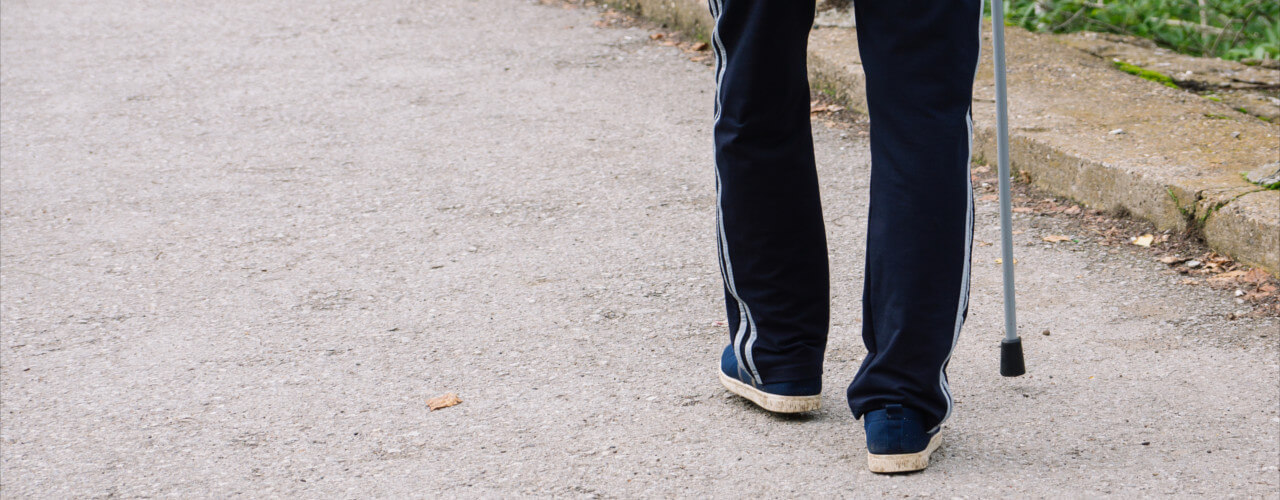
Gait Disorders That Supports Safer, More Confident Walking
Gait disorders can change how you walk, stand, and move through your day, often leading to uncertainty with balance, endurance, or coordination. Patients seeking gait disorders relief in Brandywine, MD, Lanham, MD and Silver Spring, MD commonly notice uneven steps, slower walking speed, or difficulty navigating everyday environments. At PhysioCare Rehab and Wellness, care for gait disorders focuses on understanding how the legs, hips, core, and nervous system work together during walking, then guiding treatment to support smoother, more controlled movement during daily life.

When Walking Patterns Begin to Feel Different
Changes in walking often develop gradually and may not be obvious at first. Many people notice subtle shifts such as dragging a foot, shortened steps, difficulty starting or stopping, or feeling less steady when turning. Over time, these changes can affect confidence, independence, and willingness to stay active.
Patients often want to walk more comfortably, keep up with others, and move through familiar spaces without hesitation. Addressing gait concerns early helps support safer movement and reduces how much altered walking patterns interfere with daily routines. Understanding what is influencing your gait can help guide meaningful improvement.
Why Gait Disorders Relief Matters and Common Causes
Relief matters because walking is essential for independence, participation, and overall health. When gait challenges persist, people may reduce activity, which can impact strength, coordination, and endurance.
Common causes and contributors to gait disorders include:
- Muscle weakness in the legs or core
- Reduced joint mobility in the hips, knees, or ankles
- Balance or coordination challenges
- Neurological or sensory processing changes
- Pain that alters walking mechanics
- Reduced confidence after injury or illness
Supporting gait through targeted movement and strength helps improve safety and efficiency during everyday walking.
Common Symptoms Associated With Gait Disorders
Gait disorder symptoms may include:
- Uneven or shortened steps
- Slower walking speed
- Difficulty turning or changing direction
- Dragging or shuffling of the feet
- Fatigue during walking
- Reduced balance while moving
- Hesitation when starting or stopping
Symptoms can vary based on environment and activity level, which is why individualized care is important.
How We Support Walking Quality and Movement Control
At PhysioCare Rehab and Wellness, physical therapy for gait disorders focuses on improving coordination, strength, and movement patterns needed for safer walking. Care plans are guided by individual findings and goals.
- A gait and movement assessment: Evaluates walking patterns to identify areas that affect efficiency and stability
- Hands-on care: Addresses joint and soft tissue restrictions that limit comfortable movement
- Strength training: Builds support in the legs and core to improve step control
- Balance exercises: Support steadier walking across varied surfaces
- Coordination training: Improves timing and sequencing during gait
- Functional walking practice: Supports confidence during daily movement tasks
- Education and activity strategies: Help patients understand how habits influence walking patterns
These approaches work together to support steady progress toward safer, more confident walking.
Care Guided by Compassion, Skill, and Clear Direction
Care at PhysioCare Rehab and Wellness reflects a commitment to compassionate physical therapy delivered with clarity and respect. Therapists listen attentively, explain findings in plain language, and guide care decisions based on individual movement needs and goals. Hands-on treatment is paired with appropriate technology to support a positive experience that builds trust and confidence.
Our approach is reflected through:
- Compassion demonstrated through attentive listening
- Excellence shown through thoughtful clinical care
- Trust built through clear and consistent communication
- Personalization shaped around individual walking goals
- Innovation used carefully to support outcomes
If you value care that emphasizes understanding and practical guidance, learning more about your options can be helpful.
Support for Walking With Greater Ease and Stability
Gait disorders do not have to limit how you move through your home or community. Our team at PhysioCare Rehab and Wellness is dedicated to helping the Brandywine, MD, Lanham, MD and Silver Spring, MD community improve walking comfort and confidence through personalized physical therapy care, and starting care begins by scheduling a visit.
Frequently Asked Questions About Gait Disorders Treatment
Can gait disorders affect confidence even if I can still walk independently?
Is gait therapy only for older adults?
Does physical therapy for gait disorders include practice outside of walking?
Movement Is Our Medicine
Get Hands-On physical therapy Treatment Today
Experience the benefits of our hands-on clinical approach designed to promote healing and enhance your overall well-being at PhysioCare Rehab and Wellness.
Related Blogs
-

Spring Sports Preparation: Key Steps to Start the Season Strong
Spring is right around the corner, which means it’s also time for some of our staff’s favorite sports, like soccer, baseball, and lacrosse! But no matter what you’re playing when the weather warms up, it’s essential that you get prepared for the action-packed months ahead. Why? Because jumping straight into a new sports season without
-
Setting Realistic New Year’s Resolutions: How to Achieve Your Goals in 2026
Set Yourself Up For Success With An Achievable Plan For The New Year The confetti has settled, the champagne flutes are empty, and the calendar has flipped to a brand new year. It’s that time again – when we’re filled with a sense of renewal and set ambitious resolutions for ourselves. However, the vast majority
-
Eliminate Pain With A Healthy Diet
You Know The Saying…We Are What We Eat! If you’re already visiting a physical therapist for internal inflammation, you’re aware that this is a condition that can have a significant impact on your general health. Physical therapy can assist whether you have a particular diagnosis for your inflammation (such as osteoarthritis) or you’re not sure