
Instrument Assisted Soft Tissue Mobilization That Supports Easier, More Confident Movement
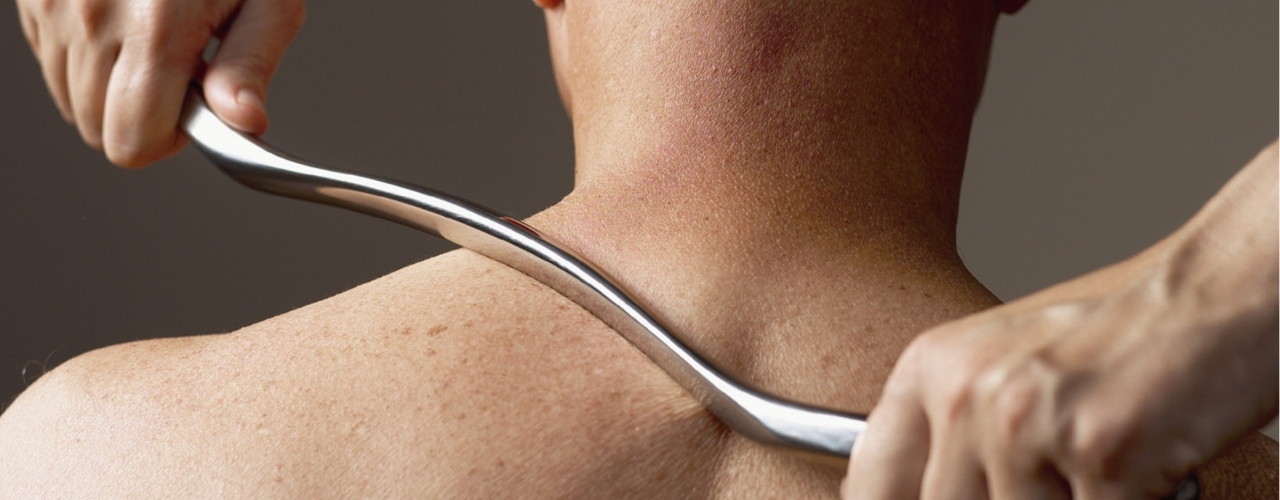
Patients searching for IASTM in Brandywine, MD, Lanham, MD and Silver Spring, MD often want a hands-on technique that helps address tightness, stiffness, or movement restrictions that do not improve with stretching alone. Instrument Assisted soft tissue mobilization, commonly called IASTM, uses specialized handheld tools to help therapists assess and treat areas of muscle and connective tissue that are not moving as smoothly as they should. At PhysioCare Rehab and Wellness, IASTM is used thoughtfully as part of a full physical therapy plan that supports comfort, movement quality, and daily function.
Understanding IASTM
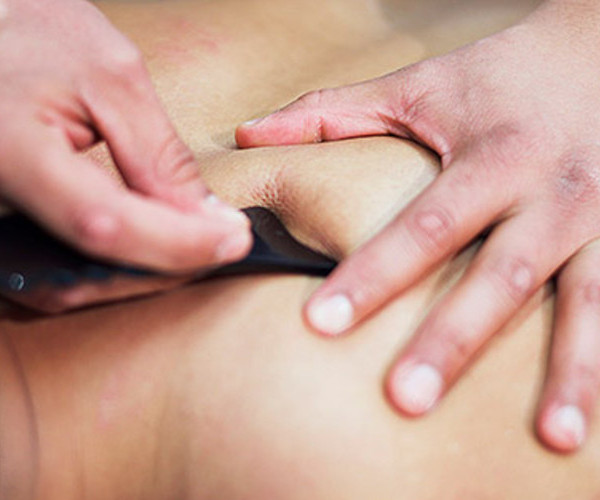
IASTM is a hands-on approach that allows physical therapists to apply controlled pressure using ergonomic instruments rather than relying only on their hands. Patients often ask about IASTM when muscles feel dense, restricted, or difficult to loosen with traditional methods. Others explore IASTM when repetitive activity, injury, or prolonged posture leads to lingering tightness or reduced flexibility.
Patients usually hope IASTM will help tissues move more freely, reduce feelings of stiffness, and make everyday movement feel smoother. This technique is not intended to be a stand-alone solution. IASTM works best when paired with movement training, therapeutic exercise, and education that help the body maintain improvements between visits.
When IASTM May Be Included in a Plan of Care
Physical therapists at PhysioCare Rehab and Wellness may use IASTM when pain, stiffness, or weakness interferes with normal movement patterns. This approach is often considered when muscle or connective tissue restrictions limit range of motion or make activity uncomfortable.
IASTM may also be helpful when returning to normal activity feels difficult due to tissue tightness or poor movement tolerance. By addressing soft tissue restrictions directly, IASTM can help prepare the body for exercise and functional movement as part of a comprehensive physical therapy plan.
Common Situations Where IASTM May Help
IASTM may be used for patients experiencing:
- Muscle tightness that limits movement
- Reduced range of motion affecting daily tasks
- Discomfort with repetitive activity
- Stiffness following injury or strain
- Restricted motion around joints
- Postural tension from prolonged positions
- Difficulty relaxing muscles during movement
- Soft tissue restrictions affecting performance
Each application is guided by individual evaluation and response to care.
How IASTM Is Used to Support Recovery
At PhysioCare Rehab and Wellness, IASTM is integrated into a broader physical therapy program focused on restoring movement and function. Techniques are selected and adjusted based on how the body responds.
- Targeted tissue assessment: Identifies areas of restriction that affect movement quality
- Controlled instrument techniques: Support improved tissue mobility with precise pressure
- Preparation for movement: Helps muscles respond more effectively during exercise
- Integration with hands-on care: Addresses both soft tissue and joint mobility needs
- Movement retraining: Reinforces improved motion patterns after treatment
- Stretching and mobility exercises: Help maintain tissue flexibility
- Education on self-care strategies: Supports carryover between visits
These approaches work together to help patients move with less resistance and greater ease.
Care Guided by Skill, Compassion, and Personal Focus
Care at PhysioCare Rehab and Wellness reflects a commitment to attentive listening, skilled hands-on techniques, and individualized treatment planning. Therapists explain how IASTM fits into care, adjust pressure based on comfort, and create a positive, supportive environment throughout treatment. Hands-on approaches are combined with appropriate technology and movement strategies to support confidence and long-term progress.
This philosophy is reflected through:
- Compassion shown through patient-centered care
- Excellence demonstrated by precise technique selection
- Trust built through clear communication
- Personalization shaped around individual goals
- Innovation applied to enhance the care experience
This approach helps patients feel informed and supported at every stage.
Supporting Healthier Movement Through Hands-On Techniques
IASTM can play a valuable role in improving how soft tissues move when it is part of a complete physical therapy plan. The team at PhysioCare Rehab and Wellness is dedicated to helping the Brandywine, MD, Lanham, MD and Silver Spring, MD community move with greater comfort and confidence through personalized, hands-on care, and the next step is scheduling a visit to see whether IASTM fits your recovery goals.
Frequently Asked Questions About IASTM
Does IASTM replace manual therapy or exercise?
Will IASTM feel uncomfortable?
How quickly will I notice changes after IASTM?
Movement Is Our Medicine
Get Hands-On physical therapy Treatment Today
Experience the benefits of our hands-on clinical approach designed to promote healing and enhance your overall well-being at PhysioCare Rehab and Wellness.
Related Blogs
-

Recovery Journey After Shoulder Surgery
Shoulder surgery can be a life-changing step for those struggling with pain and limited mobility. While the procedure is a significant milestone, the real transformation happens during rehabilitation. Recovery often involves addressing stiffness, regaining strength, and restoring movement. At , personalized physical therapy plays a crucial role in guiding patients through a successful recovery from
-
Hip Pain Causes: Understanding and Alleviating Discomfort
Hip pain is a common complaint that can limit daily movement, affect quality of life, and interfere with physical activities. Understanding the hip pain causes is essential to finding effective treatments that address both the symptoms and underlying issues. Physical therapy offers advanced strategies for alleviating hip pain, focusing on restoring function and mobility. What
-
Managing Shoulder Arthritis: Coping with Arthritic Shoulder Pain and Enhancing Mobility
Shoulder arthritis can significantly impact daily life. The condition causes pain and restricts mobility, making it much more difficult to perform the various reaching and grasping motions needed for basic tasks. Managing shoulder arthritis often requires a multifaceted approach, including physical therapy to address pain and maintain function. Unfortunately, arthritis has no cure, but the