Are you struggling with hip pain that limits your ability to walk, stand, or perform simple daily movements? These are common hip labral tear symptoms, and they can have a big impact on your quality of life.
A hip labral tear affects the ring of cartilage that helps the hip joint stay stable. This injury can disrupt work, limit recreational activities, and make normal tasks feel frustrating. Let’s explore the six most common signs you may notice and explain how PhysioCare Rehab and Wellness can help you move with more confidence.
Hip Labral Tear Symptoms To Look Out For
1. Groin pain that increases with movement.
Groin pain is one of the most frequent symptoms of a hip labral tear. The labrum helps support the hip socket, so a tear often causes discomfort in the front of the hip. You may experience this pain while walking, rising from a chair, or rotating your leg while stepping into a car. The hip structures create this pain because the torn cartilage can irritate nearby tissue when the joint moves.
2. Hip clicking or popping.
Many patients report a clicking or popping sensation when their hip bends or straightens. The torn portion of the labrum can shift when the ball-and-socket joint moves, which creates this clicking sound. The noise itself does not determine severity, but the combination of sound plus discomfort often points to a hip labral problem.
3. Reduced hip range of motion.
A labral tear can decrease hip mobility. The injured hip structures may limit bending, rotating, or extending the leg. You may experience stiffness when trying to reach your socks, step sideways, or squat. The hip joint produces this stiffness because the torn cartilage may restrict smooth movement, and nearby muscles may tighten to protect the area.
4. Pain with sitting or standing for long periods.
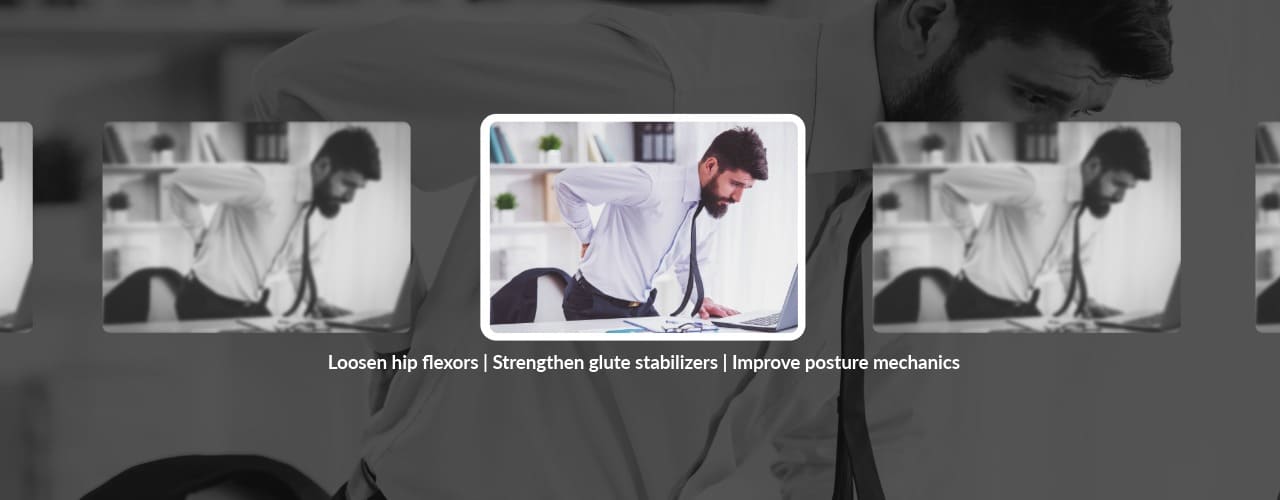
Prolonged periods of sitting or standing can exacerbate a hip labral tear. For example, many people experience hip tightness after a long workday or a drive. The hip joint creates this discomfort when the labrum shifts under pressure or when nearby muscles fatigue from constant holding. This symptom often leads people to adjust their posture frequently or avoid certain activities.
5. Pain that spreads into the buttock or side of the hip.
A hip labral tear can cause pain beyond the groin, such as along the side of the hip or into the buttock. The hip joint can send pain signals into surrounding regions because several muscles and nerves share that area. This radiating pain can make daily movements, such as walking or climbing stairs, more difficult.
6. Feeling of hip instability.
The labrum provides structure to the hip, so a tear can create a sense of instability. Patients sometimes report that their hip feels loose or unreliable during weight-bearing tasks. The hip joint produces this feeling because the torn cartilage reduces support. This may lead people to walk cautiously or shift their weight to the opposite side.
How Physical Therapy Helps Adults with Hip Labral Tears
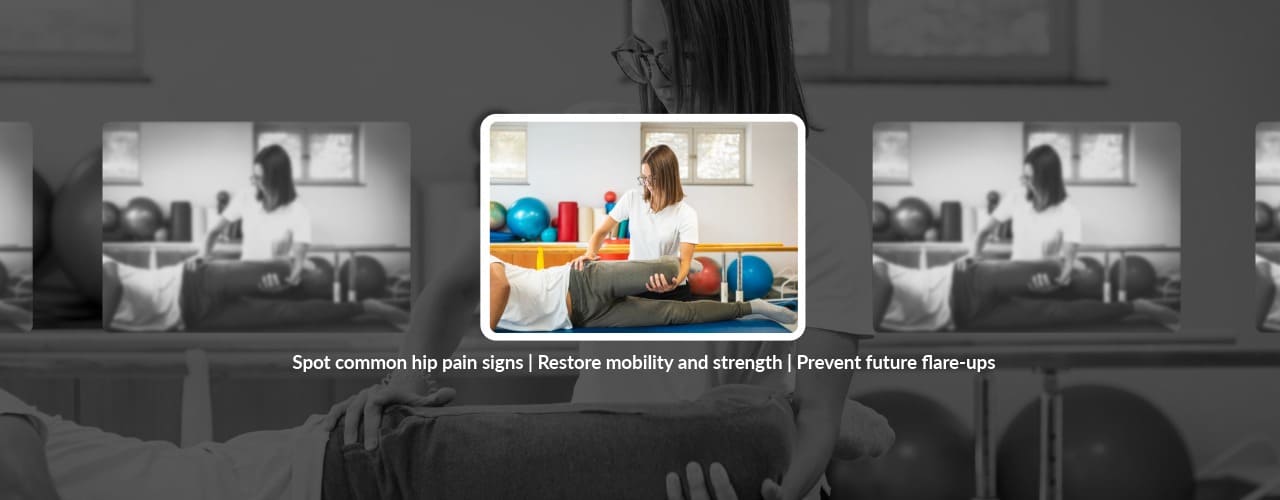
A physical therapist helps adults manage hip labral tear symptoms by focusing on movement, strength, and daily function. We begin with a detailed evaluation that identifies limited mobility, weakness, and movement patterns that may irritate the hip. Next, we create a personalized plan that aims to reduce discomfort and improve stability.
Strength training plays a significant role because hip and core muscles support the joint. Targeted exercises help the hip handle daily tasks with less strain. A physical therapist also uses guided mobility work to ease stiffness and improve comfort. Education helps adults understand safe activity levels, and gradual loading supports long-term recovery. This approach helps adults feel more confident moving through their day.
Take the Next Step Toward Relief
If you recognize these signs and think you may have a hip labral tear, a physical therapist at PhysioCare Rehab and Wellness can help you understand your condition and choose a safe plan that supports your goals. Contact us today to learn more about hip labral tear symptoms and determine if physical therapy is the right option for you.