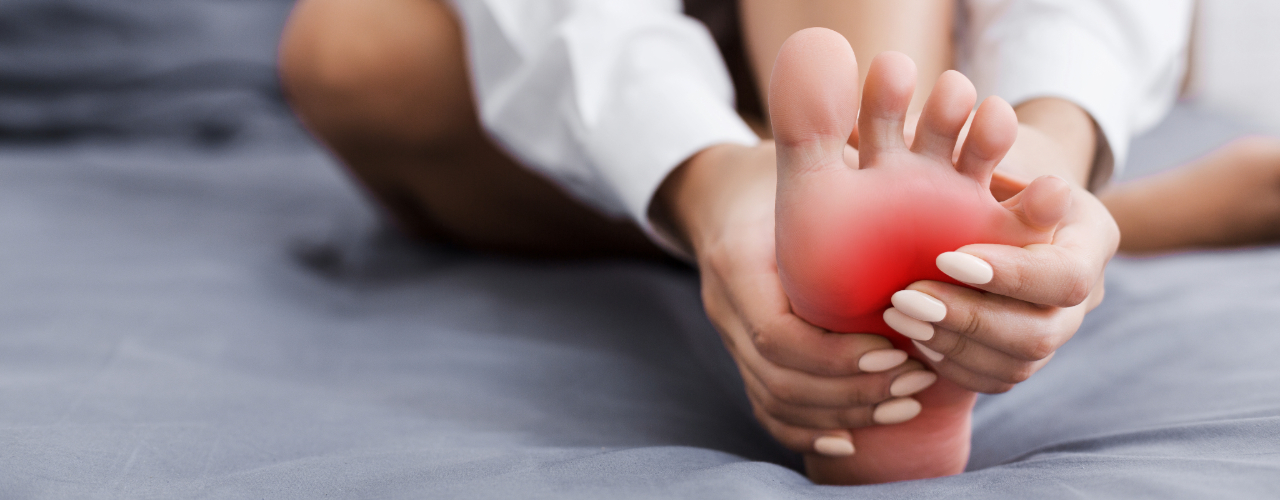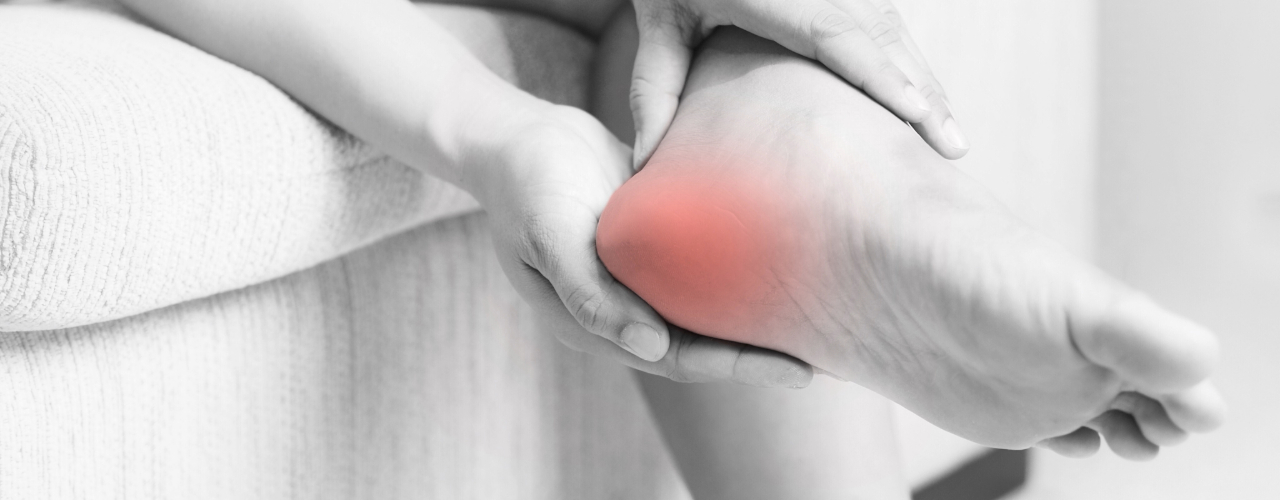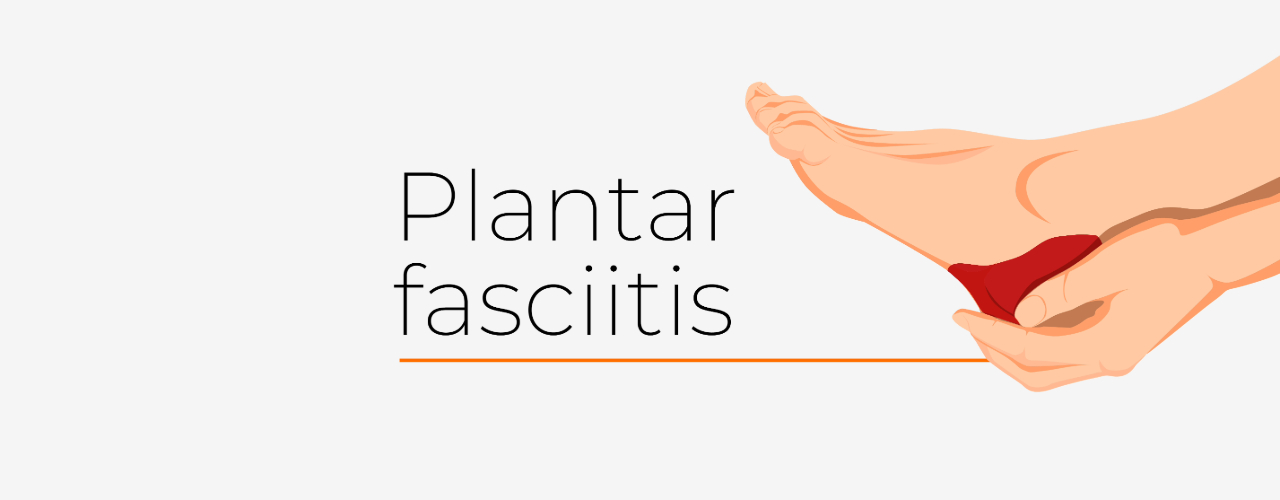

Robert (not his real name), an active man in his late forties, loved playing recreational sports on the weekends. But after months of increasing heel pain, especially after a game or a long walk, he found himself struggling with discomfort even during everyday tasks. Concerned about his ability to stay active, Robert sought help at PhysioCare Rehab and Wellness, hoping for a path to recovery that wouldn’t require invasive treatments. Through personalized Achilles tendonitis management, Robert found the relief he needed to regain his mobility and return to his favorite activities.
Understanding the Source of Robert’s Achilles Pain
Robert’s Achilles tendonitis stemmed from overuse—a common cause among adults who lead active lifestyles. The Achilles tendon, which connects the calf muscles to the heel bone, is responsible for movements like walking, running, and jumping. Over time, repetitive strain from sports without enough recovery put excess stress on Robert’s tendon, leading to microtears and, eventually, chronic pain. Robert’s physical therapist at PhysioCare Rehab and Wellness explained that proper Achilles tendonitis management could not only address the pain but also support his long-term mobility.
Manual Therapy Techniques for Pain Relief and Recovery
At the start of his treatment, Robert’s therapist introduced manual therapy to alleviate pain and improve circulation around the Achilles tendon. Techniques like soft tissue mobilization and gentle massage were applied to reduce tightness in the calf and foot muscles, which helped relieve pressure on the tendon. By improving blood flow to the area, these techniques also supported the body’s natural healing processes.
With each session, Robert noticed reduced tension and an improvement in his overall comfort. The hands-on approach helped him feel immediate relief from the stiffness he had been experiencing, allowing him to move more freely during the day. His therapist emphasized the importance of consistent care, helping Robert understand that these techniques would play a key role in his gradual recovery.
Strengthening for Improved Tendon Resilience
Once Robert’s pain had decreased, his therapist introduced strengthening exercises to support his Achilles tendon further and prevent future injury. His Achilles tendonitis management exercises targeted his calf muscles, especially the gastrocnemius and soleus muscles, which are closely connected to Achilles function.
By focusing on building strength in these areas, Robert’s program provided better support for his tendon, reducing the likelihood of re-injury. His therapist also included controlled eccentric exercises, which involve lengthening the tendon under tension, an effective approach for enhancing tendon resilience. Over time, these exercises not only improved Robert’s stability but also gave him the confidence that his Achilles tendon could handle the demands of his active lifestyle.
Returning to Function and Sports
After dedicated physical therapy, Robert’s pain had subsided significantly, and he was eager to get back to his regular activities. His therapist developed a gradual reintegration plan to ensure a safe return to sports. This included low-impact activities like cycling and specific drills that mimicked the movements of his favorite sports without overloading his Achilles tendon.
Through each phase of the Achilles tendonitis management plan, Robert’s therapist monitored his progress and made adjustments as needed to ensure he continued to improve without setbacks. The gradual process allowed him to rebuild his strength and stamina, and soon, he was able to fully participate in his recreational games. Robert was thrilled to play without pain and to feel more stable and confident in his movements.
Achieve Long-Term Relief from Achilles Tendonitis
Robert’s recovery journey at PhysioCare Rehab and Wellness showed him that effective Achilles tendonitis management is possible with the right approach. Through targeted manual therapy, strengthening exercises, and a gradual return to activity, Robert regained the mobility he needed to enjoy an active lifestyle.
Contact us today to take the first step toward lasting improvement and pain relief!