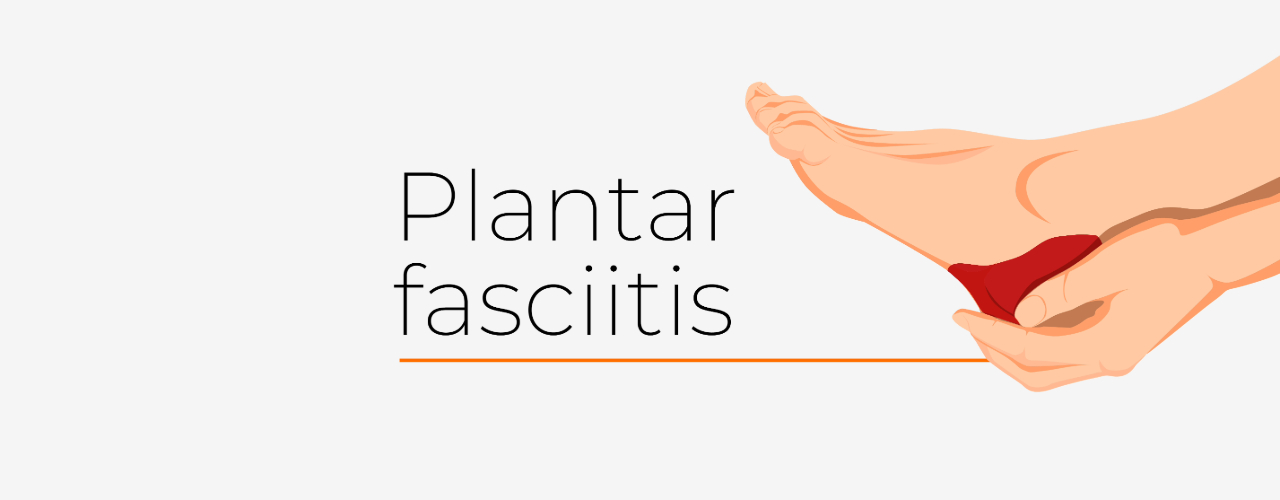
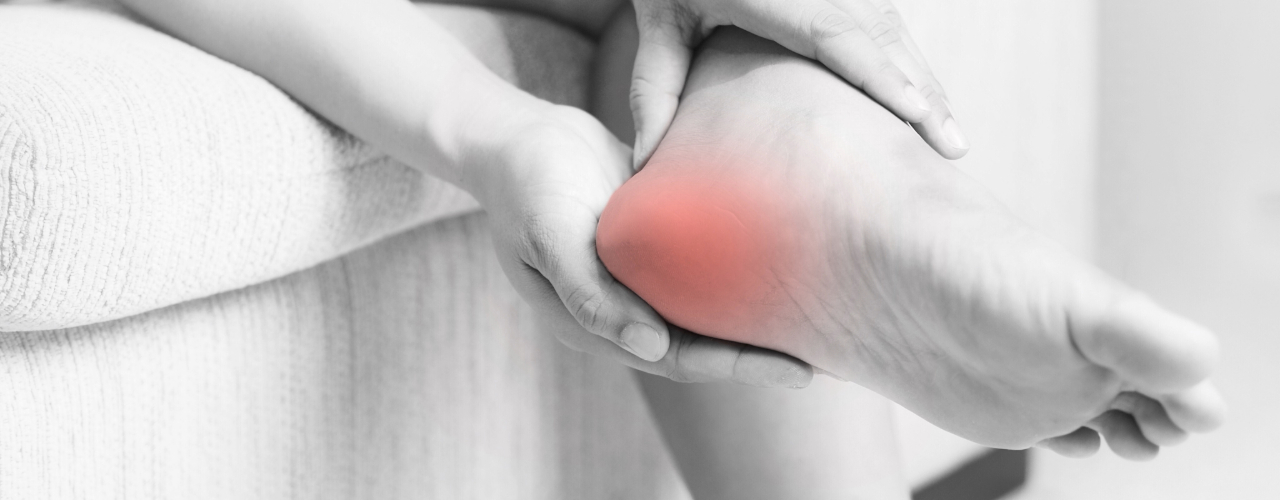
Heel pain can affect mobility and quality of life, often linked to a condition called heel spurs. Heel spurs are bony projections that form on the heel bone due to stress and pressure on the foot. Though sometimes painless, heel spurs can cause significant discomfort, especially when associated with plantar fasciitis. Here’s what you should know about diagnosing, treating, and preventing heel spurs.
Diagnosing Heel Spurs – Recognizing Causes and Symptoms
Heel spurs develop gradually as calcium deposits accumulate at the bottom of the heel bone. Commonly, repetitive stress on the heel—whether from running, high-impact sports, or prolonged standing—triggers the formation of heel spurs. This condition is also more likely in individuals with flat feet, high arches, or conditions like plantar fasciitis that increase pressure on the heel.
Common symptoms include:
- Sharp pain at the heel, particularly noticeable in the morning or after prolonged inactivity.
- Inflammation and tenderness in the heel area may ease as the day progresses but return after rest.
Diagnosing heel spurs involves a physical exam and X-ray imaging. X-rays confirm the presence of bony outgrowths, helping differentiate heel spurs from other sources of heel pain, such as plantar fasciitis or Achilles tendinitis.
Effective Treatment Options for Heel Spurs
Treating heel spurs typically focuses on reducing pain, minimizing inflammation, and preventing further damage. Physical therapy at PhysioCare Rehab and Wellness in Brandywine, MD, Lanham, MD, and Silver Spring, MD can play a crucial role, offering exercises and strategies to relieve discomfort and support the foot’s structure.
Physical therapists often recommend specific stretches and strengthening exercises for the calf and foot muscles. These exercises help reduce tension on the heel and improve flexibility, which can ease pain.
Supportive Footwear and Orthotics:
- Wearing supportive shoes with cushioned soles helps reduce pressure on the heel. Custom orthotics may further help by redistributing weight, providing additional support, and easing discomfort during daily activities.
Pain Management Techniques:
- Applying ice to the heel is an effective way to manage pain in the affected area. Massaging the affected area and using mobilization techniques can relieve tension and improve blood flow around the heel, promoting healing.
Activity Modification:
- Adjusting activities to avoid prolonged pressure on the heel may reduce symptoms. Physical therapists work with patients to identify actions that may worsen pain and suggest modifications to protect the heel during movement.
These combined strategies can help alleviate heel pain and support recovery, allowing patients to move more comfortably.
Preventing Heel Spurs – Practical Steps to Minimize Risk
Preventing heel spurs requires lifestyle adjustments that support the feet and reduce heel stress. Taking these steps can help keep heel pain at bay and improve long-term foot health.
Choose Supportive Footwear:
- Wearing shoes that fit well and have good support is essential to minimizing strain on the heels. Shoes with adequate cushioning help distribute pressure more evenly across the foot and can also help reduce the risk of pain.
Maintain a Healthy Weight:
- Excess weight adds strain to the heel and foot, increasing the likelihood of heel spur formation. Maintaining a healthy weight can reduce this pressure, promote better foot health, and reduce discomfort.
Balance and Gait Training:
- Physical therapists may provide exercises to improve gait and balance, ensuring that body weight is evenly distributed during movement. These exercises help reduce excess heel strain, promoting overall foot stability.
Individuals can reduce the likelihood of heel spurs and protect foot health by focusing on preventive steps.
Take Steps Toward Pain-Free Movement with Effective Heel Spur Care
Heel spurs can limit mobility and daily comfort, but understanding and addressing them can provide relief. With the right approach, including physical therapy and preventive measures, heel pain can be effectively managed. If heel spurs are affecting your activities, contact PhysioCare Rehab and Wellness for a personalized plan to help you find comfort and restore mobility!