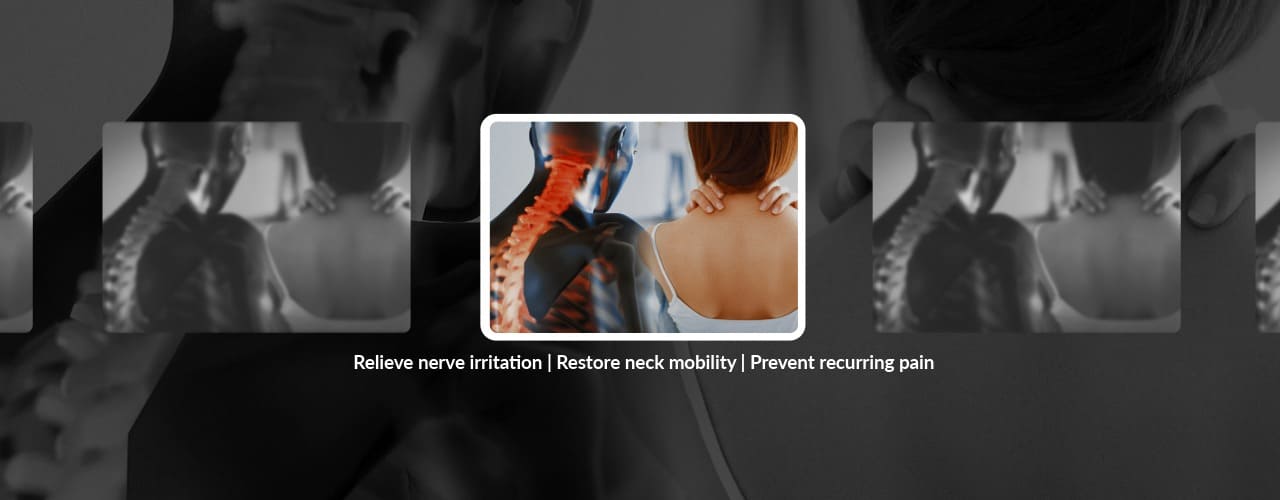
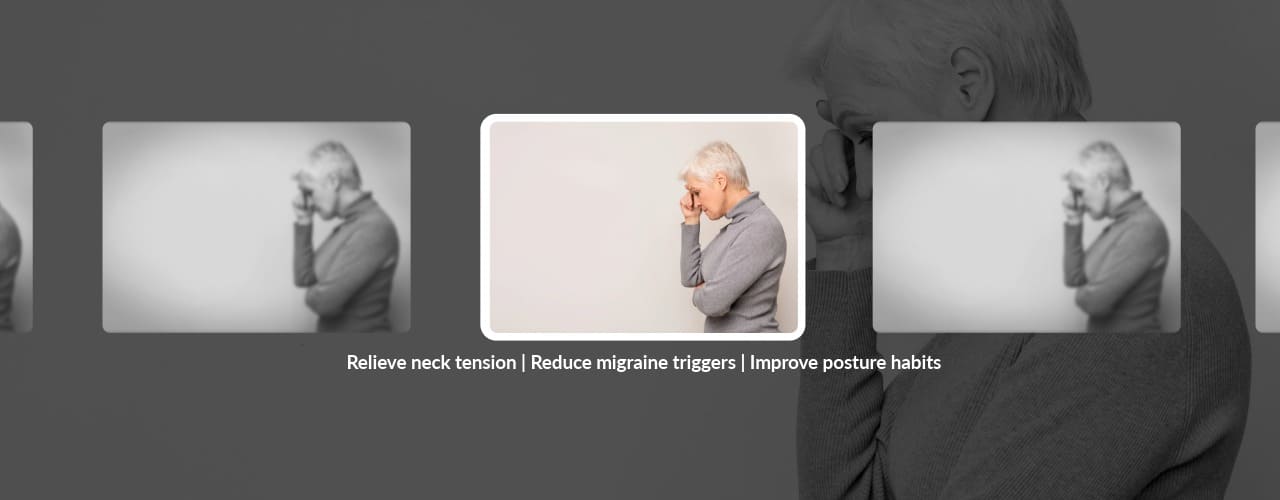
Many adults experience migraines that begin with stiffness or aching in the neck. These two symptoms are closely linked because the nerves, muscles, and joints in the upper neck influence how the head feels. Understanding the connection between neck pain and migraines helps adults see why symptoms build throughout the day and why physical therapy offers meaningful support for long-term relief. The case study below shows how one patient improved with a personalized plan.
Laura’s Story: Managing Migraines by Addressing the Neck
Laura (not her real name), a 42-year-old teacher, came to PhysioCare Rehab and Wellness after months of aching along the base of her skull. She noticed the discomfort getting worse during stressful days or after long grading sessions. Soon, the aching became a steady trigger for her migraines. Her physical therapist explained that the structures at the top of the neck play a major role in how the head responds to tension. Irritated tissues in this region can influence the nerves that contribute to neck pain and migraines.
How Laura’s Neck Pain Triggered Her Migraines
Limited Neck Motion Increased Laura’s Symptoms
During her evaluation, Laura struggled to turn her head fully and felt a sharp pull when looking down. Tight muscles along her upper neck and shoulders created tension that fed her migraine symptoms. Her therapist found restricted joint motion, which placed extra stress on sensitive tissues. These findings showed how her daily posture habits contributed to the connection between neck pain and migraines.
Stress and Muscle Guarding Made Symptoms Worse
Laura’s busy schedule increased muscle guarding in her neck and shoulders. Her therapist explained that stress often leads to tightened muscles that place pressure on the nerves at the base of the skull. This created a cycle of tension that made migraines more frequent. Laura realized she needed guided support to interrupt these patterns.
How Physical Therapy Helps Manage the Connection
Physical therapy helps identify which tissues contribute to neck tension and how they influence migraine symptoms. Therapists combine manual care, mobility work, strengthening, and education to address these factors. This comprehensive approach helps adults reduce flare-ups and build better control over their daily comfort.
Manual Therapy Helped Reduce Muscle Tension
Manual therapy became a key part of Laura’s care. Her therapist used gentle techniques to release tight muscles at the base of the skull. As these tissues relaxed, the pressure that contributed to neck pain and migraines started to decrease. Laura noticed fewer headaches after several sessions. The improved tissue mobility helped her neck move comfortably during daily tasks.
Joint Mobilization Restored Neck Motion
Laura’s therapist used guided joint movements to help the upper neck move more naturally. These techniques helped her turn her head without sharp discomfort. With more comfortable movement, the tension near the sensitive nerves decreased. This improvement reduced how easily her migraines were triggered.
Strengthening Improved Laura’s Posture
Weakness in the upper back and deep neck stabilizers made Laura lean forward during long workdays. This posture increased stress on the tissues linked to neck pain and migraines. Her therapist introduced strengthening exercises to help her maintain better posture. With improved muscle support, Laura felt more comfortable sitting, standing, and grading papers.
Mobility Training Helped Laura Avoid Flare-Ups
Mobility exercises helped restore smooth movement in Laura’s spine. These exercises reduced stiffness and supported healthy motion during her daily routines. The improved mobility helped prevent tension from building between sessions, which supported fewer migraine flare-ups.
Stress Management Strategies Supported Long-Term Relief
Laura learned simple techniques to reduce muscle tension during busy days. These strategies included stretching breaks, breathing exercises, and posture resets. These changes helped her stay ahead of the discomfort that previously triggered her migraines. She gained better awareness of her early symptoms and how to manage them before they escalated.
Laura’s Migraines Became Less Frequent and Less Intense
After several weeks, Laura noticed meaningful improvements. She had fewer migraines and faster recovery when they did occur. Her neck moved with greater ease, and she felt more in control of her comfort. Her progress showed how a targeted plan addresses the link between neck pain and migraines and creates long-term improvement.
Find Support for Neck and Head Pain at PhysioCare Rehab and Wellness
At PhysioCare Rehab and Wellness, physical therapists help adults understand the connection between neck pain and migraines and build personalized plans that restore comfort and improve movement. If migraines or neck stiffness affect your daily life, contact PhysioCare Rehab and Wellness today to begin a supportive and effective recovery plan.