
Back Pain Slowing You Down? Physical Therapy Can Help!

Here’s a fact about back pain that may bring you some comfort: it’s one of the most common musculoskeletal complaints in the world. Around 80% of people will have back pain at least once. So, if you’re suffering now, you probably aren’t the only one!
Of course, that thought does little to help if your back pain keeps you from performing day-to-day activities — as it often does. Back pain is often accompanied by mobility restrictions that make walking, rising from sitting, or bending over difficult. And if left untreated, it can sometimes lead to long-term pain and dysfunction.
At PhysioCare Rehab, we know how debilitating back pain can be. Our team of dedicated physical therapists will help you understand the cause or causes of your back pain and work with you to develop a personalized treatment plan that will let you get back to the activities you love to do.
Call our clinic today to set up your initial consultation!
What Causes Back Pain?
One of the reasons that back pain is so common is that it’s associated with several different injuries, underlying conditions, or lifestyle factors. That said, most back pain is non-specific, meaning it’s not caused by a specific disease or specific structural problem, but caused by mechanical issues. Mechanical issues are difficult to pinpoint and may include multiple tissues in and around the spinal joints.
The first step in treating your back pain is understanding what’s contributing to it. Our therapists will perform a comprehensive evaluation to help us learn as much as possible about your experience with back pain, including screening for any mobility limitations or weakness you’re struggling with.
Here are some of the more common sources of back pain that we see at our clinic:

Strains and Sprains:
Herniated Discs:
Osteoarthritis:
Lifestyle Factors:
Why Physical Therapy at PhysioCare Rehab Is Your Back Pain Solution
While back pain often resolves on its own within 1-3 months, physical therapy is an excellent choice for people with particularly intense pain or extremely restrictive mobility. It’s also useful for people with chronic back pain — defined as pain that lingers past that three-month mark.
We customize all our back pain treatment plans according to your specific needs: the location and severity of your back pain, any mobility restrictions, your ability level, and overall goals. We’ll work to address the underlying issues causing your pain rather than simply masking the symptoms.
How will we do this? Through a blend of the following techniques:
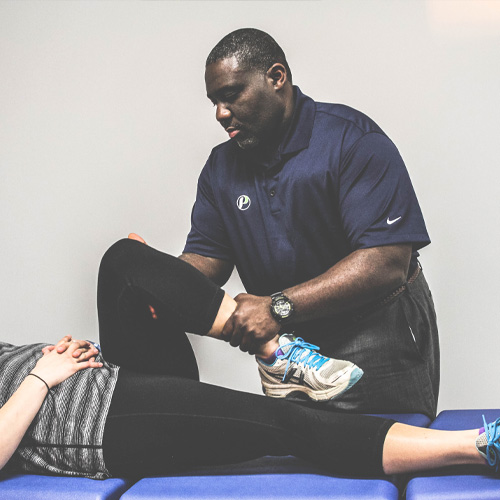
- Manual therapy helps manage pain, promote blood circulation, and improve mobility.
- A personalized therapeutic exercise plan improves the strength, flexibility, and endurance of your back and core muscles. Muscle weakness significantly contributes to lower back pain, so exercise is a must.
- Specialized training, such as proper techniques and activities that simulate functional movements you’ll need to perform (i.e., squats, lunges, lifting, etc.).
- Prevention strategies help reduce future back pain incidents. These strategies might include postural corrections or suggestions for at-home exercises, such as a walking program or regular strength and mobility practice.
Get Moving Again with Physical Therapy!
Back pain is more than just pain. It can severely restrict your mobility, leading to less exercise and movement, further contributing to pain and dysfunction. The PhysioCare Rehab team is here to help you break that cycle and find relief from back pain for good.
Call us today to schedule an appointment!
Your Success Is Our Priority!
Return to PhysioCare and Let’s Continue Your Journey to Wellness Together. Schedule Your Appointment Now!
Exercise of the Month
BRIDGING
Begin on your back. Bend your knees and keep your back flat on the ground. Gently, contract your abdominals and hold to keep your back flat as you move up into the bridge position. Remember to breathe. Gently, squeeze your butt muscles and lift your hips off the ground. The goal is to have your hips aligned with your knees and shoulders. Hold for 5 seconds.
3 Sets, 10 Reps.


Celebrate the season with this refreshing Cranberry Sparklers Mocktail, bursting with festive flavor and fizzy fun. It’s the perfect guilt-free way to toast any occasion and delight your taste buds!
Enjoy This Healthy Recipe!
Cranberry Sparklers Mocktail
- 1 cup cranberries (thawed if frozen), plus more for garnish
- 1/4 cup sugar
- 1/2 teaspoon orange bitters
- 1 750-ml bottle sparkling non-alcoholic dry wine, chilled
- Seltzer, chilled, for topping
Muddle the cranberries with the sugar in a small bowl until the cranberries are in small bits and the sugar is dissolved. Strain into a large liquid measuring cup and stir in the bitters. (This can be done a day ahead; cover and refrigerate.)
For each drink, add 1 ounce of the cranberry mixture to a glass filled with ice. Top with about 4 ounces sparkling wine and a splash of seltzer. Garnish with cranberries.
Follow Us on Social Media!

Avoiding Common Winter Injuries
What are the most common winter injuries?
Winter conditions can make a person more prone to injury. Simple tasks, such as walking to your car in the morning or going for a run, can become significantly more dangerous when there’s ice on the ground.
The most commonly reported wintertime injuries include:
- Slipping on ice and snow
- Muscle strain caused by shoveling snow or scraping ice off the car
- Accidents involving motor vehicles and driving
- Accidents that occur while participating in winter sports and activities (skiing, snowboarding, sledding, etc.)
These injuries can be more severe for older individuals or those struggling with their health.
How Can I Avoid Injury This Winter?
Fortunately, there are many steps you can take to stay safe this winter. Follow these tips to ensure a safe and fun holiday season:
- Wear proper footwear made for icy and snowy conditions when outside.
- Salt driveways, sidewalks, and stairs thoroughly and regularly.
- Cross parking lots with caution and provide extra assistance for children and seniors.
- Stretch before beginning any physical activity.
- Stay hydrated while working out and shoveling snow.
- When participating in winter sports, wear a helmet and other protective equipment.
- Always keep an eye on children who are playing outside in the snow.
Remember to stay safe and exercise caution this winter. And if you do become injured, contact PhysioCare Rehab for relief!
January Word Scramble
ioiearbnhtn
aoceeibrtln
seaeynwr
sneuoloirt
iplcmosy
orkrfsiwe
Answer Key
hibernation
celebration
new years
resolution
olympics
fireworks
Share Your Success Story

Your journey to recovery is important to us, and we’re proud to have been a part of it! If PhysioCare has helped you feel stronger, move better, or get back to doing what you love, we’d be honored if you shared your experience in a Google review. Your story could encourage someone else to take the first step toward healing!
Our Patients Get Great Results
“Don’t look any further for physical therapy! PhysioCare in Brandywine has been such a heavenly experience. Ms. Sharita at the front desk and Ms. Olivia are both so helpful, customer focused, warm, and professional. I absolutely appreciate the staff who greets you and really makes sure you are comfortable throughout the entire session. They explain exercises thoroughly and help you to perform them correctly. My therapist is Mr. Ro. He is exceptional. The facility is clean and they sanitize everything! I really appreciate the manual therapy, stem machine, and hot and cold therapy. I am so grateful for PhysioCare.”
-Rosa T.