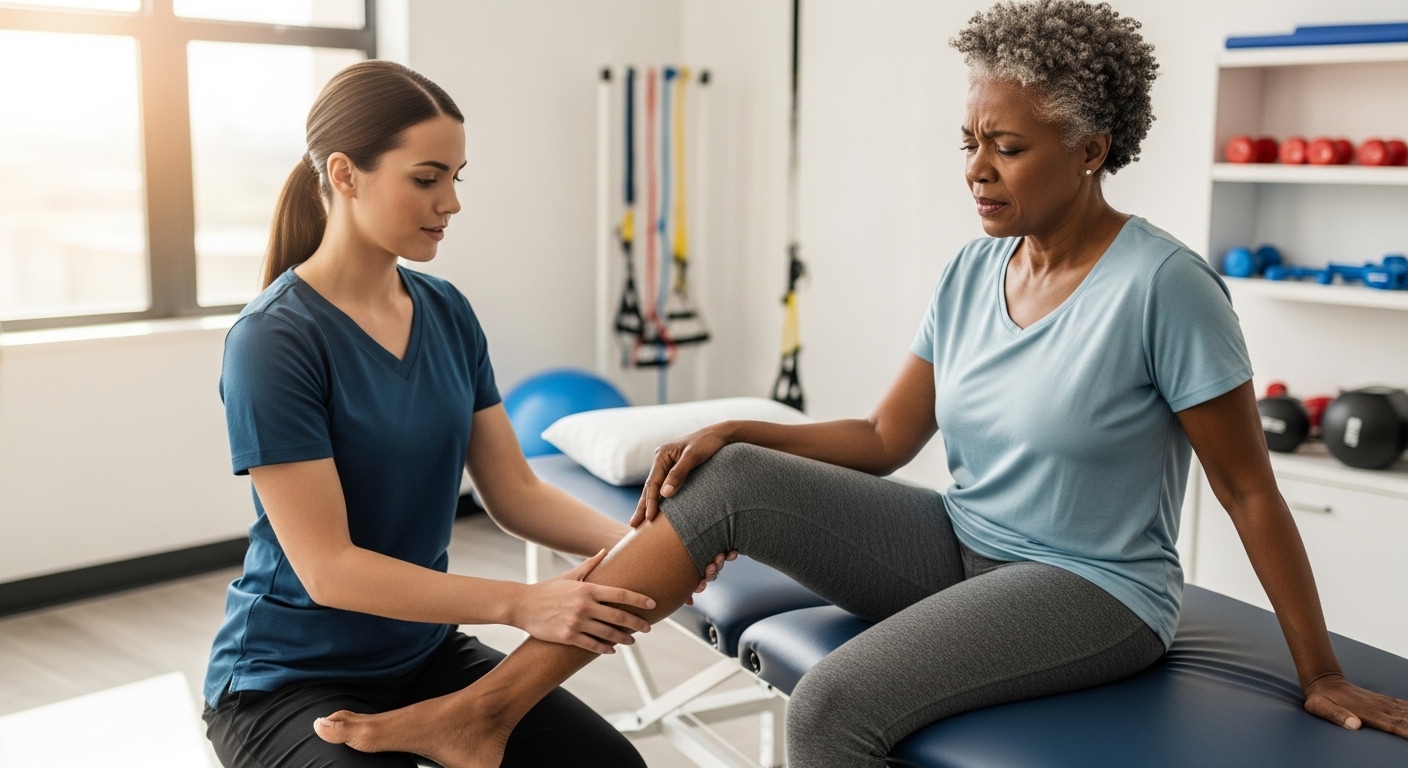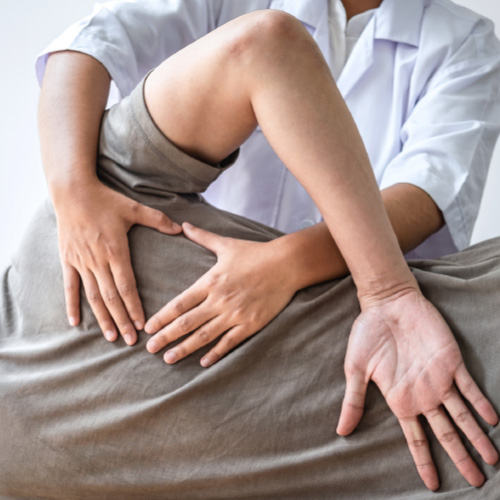
The Connection Between Hip and Knee Pain
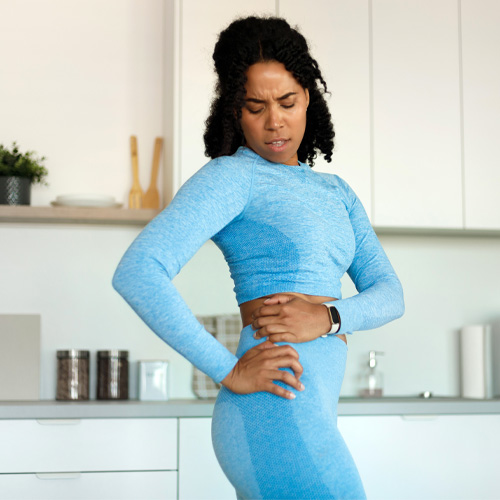
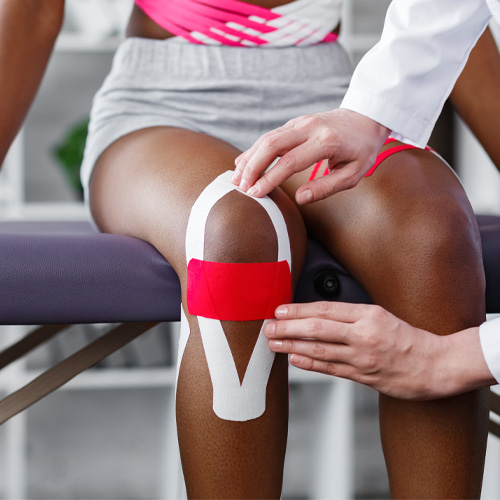
Did you know that for a lot of people, their knee pain is not actually due to a problem with the knee, but one with the hip? At PhysioCare Rehab and Wellness, we frequently observe that a problem originating in the hip can be first felt as knee pain and vice versa.
You might wonder how this is possible. The answer lies in what’s known as the kinetic chain, where the hip and knee joints work together. The interconnection means that an imbalance or dysfunction in one joint can lead to compensation and pain in the other. The good news is our therapists can help you figure out the source of your pain and, more importantly, guide you back to health.
To move towards a healthier, active life, we recommend you consult with one of our physical therapists as soon as possible!
Your Guide to Recognizing the Signs and Symptoms of Hip and Knee Pain
At PhysioCare Rehab and Wellness, we believe in a holistic approach to healing. As musculoskeletal experts, we are trained to pinpoint the root cause of your condition, differentiate between hip and knee pain, and develop a plan that addresses the whole person, not just the symptom.
The Telltale Signs of Hip Pain
- Localized Discomfort and Stiffness: Hip pain generally starts as a localized discomfort in the groin area, often accompanied by stiffness restricting the range of motion. As the severity worsens, this pain can sometimes extend to the thigh and even the knee.
- Morning Stiffness: One of the most commonly reported symptoms is morning stiffness, which typically eases as the day progresses.
- Difficulty in Performing Daily Activities: Individuals with hip pain often find it challenging to bend over to tie shoes or pick up objects from the floor. This pain can intensify during movements like getting up from a seated position or walking uphill.
Classic Indicators of Knee Pain
- Localized Pain and Swelling: A primary indicator of knee issues is localized pain, often accompanied by swelling. This can be especially noticeable after prolonged periods of activity.
- Stiffness and Reduced Range of Motion: Another hallmark of knee pain is stiffness, which often restricts the knee’s range of motion.
- Popping or Crunching Noises: Experiencing popping or crunching noises during knee movement is a sign that shouldn’t be ignored, as these sounds often signify underlying knee issues.
- Difficulty in Bearing Weight: A large number of individuals with knee pain report difficulty bearing weight on the affected knee. This is often described as a feeling of weakness or instability, making activities such as climbing stairs or even simple walking difficult.
While interconnected, the hip and knee are distinct structures with unique roles in our body’s movement and different responsibilities. Understanding these differences is vital in diagnosing and treating pain effectively. This is where the expertise of our physical therapists can help!
Navigating the Path to Recovery with PhysioCare Rehab and Wellness
At PhysioCare Rehab and Wellness, our physical therapists will conduct a comprehensive evaluation, and distinguish whether you’re dealing with an issue in your hip, knee, or both.
After completing the evaluation, we’ll design a program focusing on the actionable steps you can take to ensure long-term relief and prevention of future injuries, including the following:
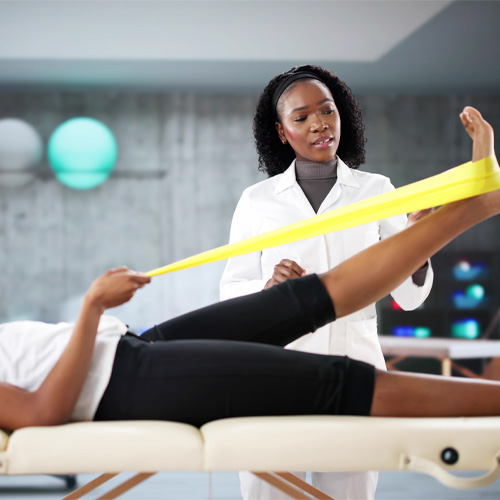
- Tailored Therapeutic Exercises: Our therapists will provide you with stretching and strengthening exercises to help restore your mobility and function. For example, eccentric training focuses on elongating a muscle under tension, proving particularly effective in strengthening muscles and improving mobility.
- Neuromuscular Re-education: This involves using exercises and manual techniques to restore normal muscle function and movement patterns. These techniques are especially effective in reducing pain and enhancing function, especially in individuals with hip and knee pain.
Our therapists go beyond the surface, digging deep into your symptoms to identify the underlying issues and determine the true origin of your pain, whether the hip, the knee, or both. Our goal is to build a program that helps you get back to living your best life!
Follow These Simple Steps to a Pain-Free Life
Are you ready to embrace a lifestyle that promises better mobility and less pain? At PhysioCare Rehab and Wellness, we are here to guide you every step of the way, fostering a future where you feel better, move better, and live better!
Call today to schedule an appointment!
Your Success Is Our Priority!
Return to PhysioCare and Let’s Continue Your Journey to Wellness Together. Schedule Your Appointment Now!
Exercise of the Month
FIGURE 4 BRIDGE
Begin on your back. Bend your knees and keep your back flat on the ground. Cross one leg over the other so that your legs make a “4”. Gently, contract your abdominals and hold to keep your back flat as you move up into the bridge position. Remember to breathe. Gently, squeeze your butt muscles and lift your hips off the ground. The goal is to have your hips aligned with your knees and shoulders.
3 Sets, 10 Reps.


Fall in love with every sip of this Valentine’s White Chocolate Raspberry Smoothie—creamy, sweet, and perfectly indulgent. It’s a deliciously romantic treat that feels like dessert but tastes even better shared (or savored solo). 💕
Enjoy This Healthy Recipe!
Valentine’s White Chocolate Raspberry Smoothie
- 1 tbsp white chocolate chips
- 1/2 cup nonfat vanilla Greek yogurt
- 3/4 cup frozen raspberries
- 1 cup almond milk/milk of choice
- 1/2 cup ice
- Fresh raspberries for garnish (optional)
In a small microwave-safe bowl, heat white chocolate chips about 30 seconds and stir until smooth and melted through. Set aside to cool slightly. Add all ingredients, including melted chocolate, to a blender (or bullet, food processor, etc). Blend until smooth. Pour into glasses and top with fresh berries. Enjoy!
Follow Us on Social Media!

Tips for A Heart-Healthy Valentine’s Day!
This year, don’t forget the most important Valentine of all: your heart! With February being the month of love and American Heart Month, here are a few tips to combine them into one fabulous celebration:
- Try a heart-healthy treat: Pomegranate seeds, good dark chocolate, and sweet strawberries are all delicious alternatives to candy hearts.
- Take a ballroom dance class with your sweetheart: Nothing’s more romantic than a sweeping waltz or sultry tango. But ballroom dancing is also a great cardio workout–making it the perfect date night for American Heart Month!
- Sink into a relaxing bubble bath: Stress contributes to cardiovascular disease, so this month, set aside time to rest and relax with a bubble bath. Dim the lights, burn a few candles, and settle down with your favorite romantic read.
Want more healthy heart tips this February–or any month of the year? Schedule an appointment with PhysioCare Rehab and Wellness today!
February Word Scramble
lotacehoc
eeanlnitv
bauefrry
iprdinehfs
iwentr
aceornm
Answer Key
chocolate
valentine
february
friendship
winter
romance
Share Your Success Story
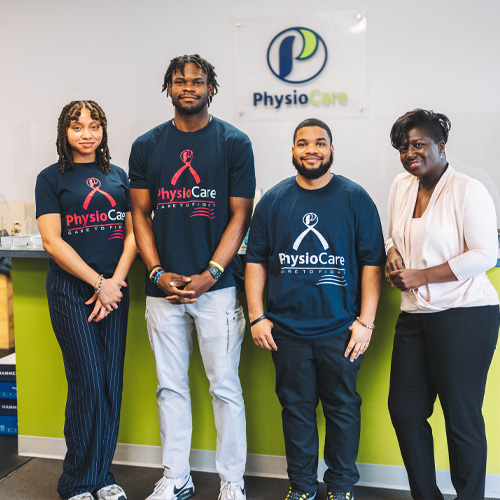
Your journey to recovery is important to us, and we’re proud to have been a part of it! If PhysioCare has helped you feel stronger, move better, or get back to doing what you love, we’d be honored if you shared your experience in a Google review. Your story could encourage someone else to take the first step toward healing!
Our Patients Get Great Results
“My, my, my, what a facility! The facility is clean and well-managed. I came here for several health issues that were very difficult to deal with. Thanks to PhysioCare Rehab, I am back to me!
The staff: Charnita (Practice manager) is very welcoming and professional. She maintains a very friendly atmosphere and an outstanding organizational structure with scheduling and communication. No doubt an asset to the team! Olivia (therapist) deserves a raise! Her professionalism and dedication to healing is beyond words. Another asset to the team! Dr. Quiana is very thorough and a staple in her profession. She made sure I was provided the required tools to ensure successful health outcomes. Tayan, Jada, and Aniya are outstanding PT Aides! They helped me get through and assisted in my successful recovery. I will be forever grateful to them all! I highly recommend PhysioCare to everyone who needs care.”
-Connie.