Find Relief from Osteoarthritis Pain

Are you experiencing persistent joint pain, particularly in a weight-bearing joint like your hip or knee? Do you ever notice a clicking or grinding sensation in your painful joint? If so, you may have developed osteoarthritis, the most common form of arthritis in the United States.
Arthritis is an umbrella term for over 100 conditions that cause joint inflammation and lead to pain and restricted mobility. The source of that inflammation will vary depending on the type of arthritis. Osteoarthritis is caused by the degeneration of the cartilage and bone tissue in the affected joint.
Osteoarthritis has no cure and can profoundly impact your overall quality of life, making it harder for you to stay active, keep up with chores, and enjoy time with your loved ones. Fortunately, physical therapy at PhysioCare Rehab and Wellness offers several tools and techniques to help you manage your symptoms — often enough that you can delay or even avoid surgical interventions.
If you’re tired of living with osteoarthritis pain, call us to schedule an appointment today!
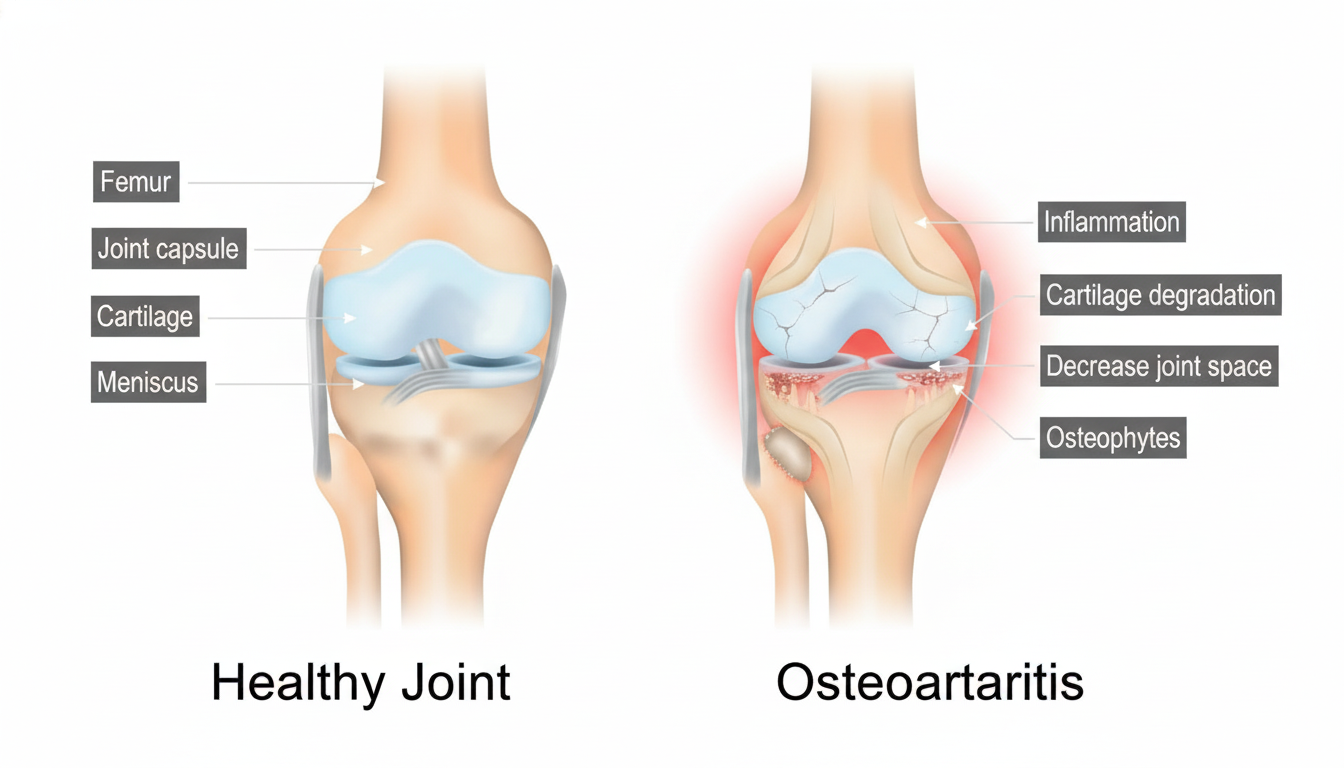
Understanding Osteoarthritis: Symptoms and Causes
The primary symptoms of osteoarthritis are pain and stiffness in the affected joint. These symptoms often manifest in the following ways:
- Pain during activity but not while at rest
- Pain when you press on the joint
- Joint stiffness first thing in the morning
- Joint stiffness after sitting or lying down for long periods
- Noises in the joint, including creaking, cracking, or crunching
While any joint can develop osteoarthritis, it most commonly occurs in weight-bearing joints like the knees and hips. However, it’s also fairly common in the hands, spine, and feet.
The causes of osteoarthritis are complex, and several factors can contribute to it. One of these factors is age: approximately 73% of people with the condition are 55 years or older. That’s not to say osteoarthritis is an inevitable part of the aging process — plenty of older people don’t have it. But your chances of developing it do increase as you age.
Other possible factors contributing to osteoarthritis include past injuries to the joint, gender (women are more likely to develop it than men), body weight, and even genetic predispositions.
3 Simple Movements to Help Alleviate OA Pain
If you have osteoarthritis, it’s important to stay active to help keep your joints healthy. While our physical therapists can help you develop a suitable exercise program, you can also incorporate movement in small ways throughout the day.
These simple exercises will help mobilize your joints, and you can easily do them at home. Of course, check with your PT before starting anything new!
Ankle Circles
While sitting in a chair, stretch your feet out in front of you, keeping them neutral (neither pointed nor flexed). Gently tilt both feet in one direction, then repeat in the other.
Knee Raises
Sit on the edge of your chair with your back straight and your feet planted on the floor. Slowly lift your knee as high as possible without bending your back, guiding it up with your hands if necessary. Then, making sure to keep your core tight, gently lower your foot back to the floor. Repeat on the other side.
Overhead Shoulder Stretches
You can do this exercise sitting or standing. Hold your arms at your side, your elbows bent at a 90-degree angle, and your thumbs pointed toward your shoulders. Then, stretch your arms straight overhead and slowly lower back down.
If lifting both arms is too difficult, lift them one at a time. You can guide your arm up under the elbow if necessary.
Looking for more simple arthritis stretches? Call PhysioCare Rehab and Wellness for an appointment today!
Source: https://arthritis.ca/living-well/2020/top-10-arthritis-exercises
How Physical Therapy Helps Manage Osteoarthritis Symptoms
The good news is that you can control osteoarthritis symptoms with the help of physical therapy. Although movement can be painful with osteoarthritis, exercise is one of the best drug-free ways to manage the condition. Our physical therapists will help you find an exercise program that suits your needs.
Here’s how we’ll do it:
Comprehensive Evaluation: We start by evaluating how osteoarthritis impacts you, including performing simple tests to assess your strength, mobility, and/or balance. We’ll also ask you about the ways that osteoarthritis is negatively affecting your life. For example, which activities do you find challenging?
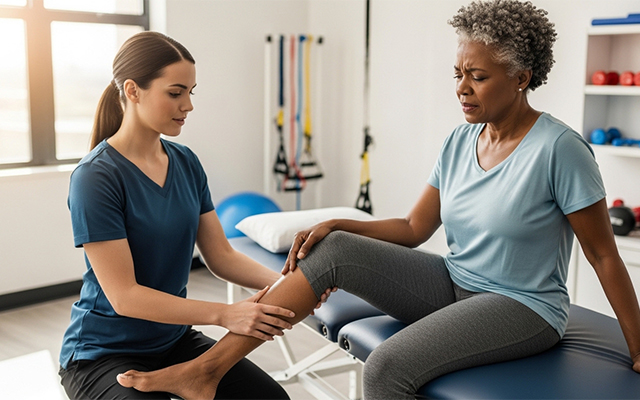
Provide Pain Relief: We’ll use manual therapy techniques to help manage your pain and get the joint moving in a gentle way. For example, we might guide the joint through its current range of motion or manipulate the surrounding soft tissue.
Build Strength and Restore Mobility: We’ll develop a customized, progressive exercise program to rebuild lost strength and mobility in the affected joint. Building strength, in particular, can help support and protect the joint so you can move more easily.
Develop An At-Home Exercise Program: You’ll supplement your sessions in our clinic with a personalized home workout program to ensure you keep moving! We’ll find something that suits your abilities and interests, such as a walking program or water aerobics.
Provide Strategies for Activity Modifications: Finally, we can help you identify and avoid any specific activities that might put too much strain on your joints. If needed, we can also show you how to use mobility aids (such as canes or walkers).
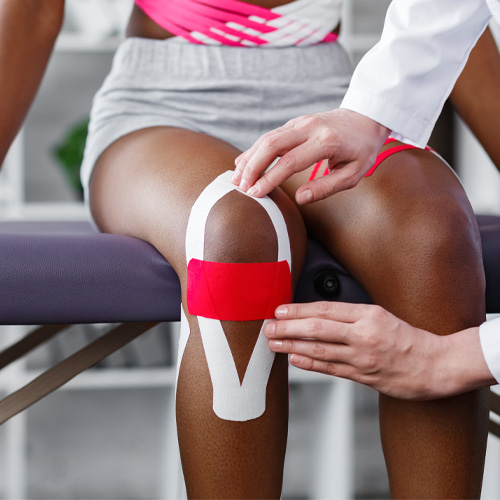
Follow These Simple Steps to a Pain-Free Life
Are you ready to embrace a lifestyle that promises better mobility and less pain? At PhysioCare Rehab and Wellness, we are here to guide you every step of the way, fostering a future where you feel better, move better, and live better!
Call today to schedule an appointment!
Your Success Is Our Priority!
Return to PhysioCare and Let’s Continue Your Journey to Wellness Together. Schedule Your Appointment Now!
Exercise of the Month
Threading the Needle
(Shoulders, Upper Back, Spine Rotation)
Start on your hands and knees in a tabletop position. Slide one arm underneath your body, palm facing up, allowing your shoulder and the side of your head to gently rest on the floor. Feel the stretch through your upper back and shoulders. Hold briefly, then return to the starting position and switch sides. 3 Sets, 30-Second Hold (each side). (Materials needed: floor mat)
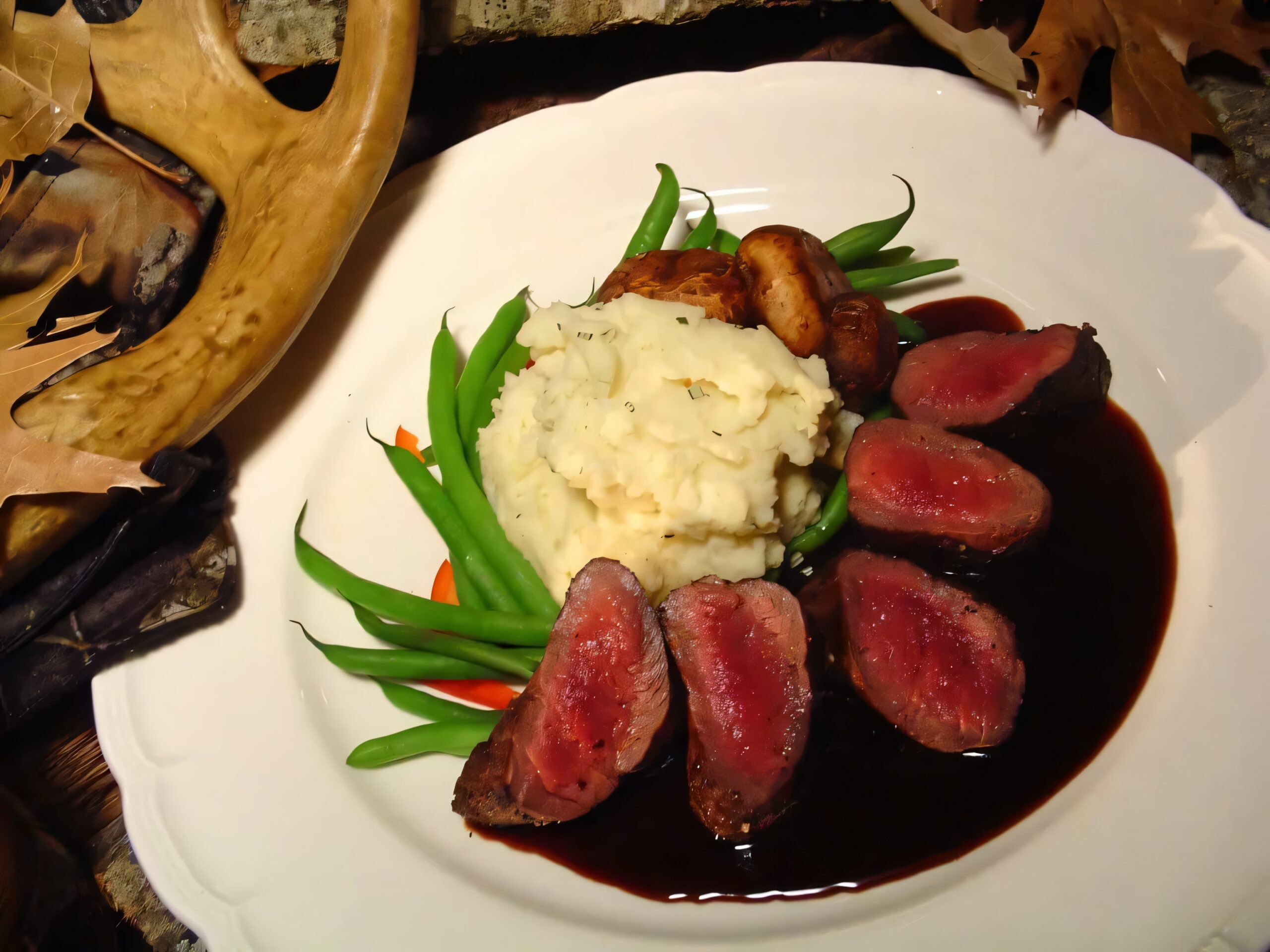
Enjoy This Healthy Recipe!
Pan-Seared Venison Medallions with a Berry Balsamic Sauce
Pan-Seared Venison Medallions with Balsamic Berry Sauce that combines the rich flavor of venison with a tangy, sweet berry sauce.
Tools You’ll Need
- 4 venison medallions (about 4 oz each)
- 2 tablespoons olive oil
- Salt and pepper to taste
- 1/2 cup mixed berries (blueberries, blackberries, raspberries, etc.)
- 1/4 cup balsamic vinegar (berry-flavored balsamic vinegar works great!)
- 1 tablespoon honey or maple syrup (optional for extra sweetness)
- 1/4 cup chicken broth or red wine (for deglazing)
- 1 tablespoon fresh thyme (or rosemary for a different flavor)
- 1 tablespoon butter (for finishing the sauce)
Season the Venison Medallions: Season both sides of the venison medallions with salt and pepper.
Sear the Medallions: Heat olive oil in a large skillet over medium-high heat. Once hot, add the venison medallions and sear them for about 3-4 minutes per side for medium-rare (adjust the time based on thickness and desired doneness). Once cooked to your liking, remove the medallions from the skillet and let them rest while you make the sauce.
Make the Balsamic Berry Sauce: In the same skillet, add the mixed berries, balsamic vinegar, honey (if using), and chicken broth (or red wine). Stir to combine, scraping any browned bits from the bottom of the skillet. Let the mixture simmer for 5-7 minutes, or until the berries break down and the sauce thickens slightly.
Finish the Sauce: Add the butter to the sauce and stir until it melts, creating a silky texture. Add the fresh thyme (or rosemary) and taste for seasoning. Adjust with salt or more honey if needed.
Serve: Plate the venison medallions and spoon the balsamic berry sauce over the top. Garnish with a few extra fresh thyme leaves or rosemary sprigs if desired.
This dish combines the tender venison with the bold sweetness of the berry balsamic sauce, creating a perfectly balanced, flavorful meal.
Follow Us on Social Media!
March Word Scramble
Found Words (0/8):
🩺 Puzzle Clues
All 8 hidden words relate to Osteoarthritis. If you read our latest newsletter, you’ll definitely recognize a few of these!
- (4 Letters) The Ache: The primary, unpleasant physical sensation or feeling that usually sends someone to the doctor.
- (5 Letters) The Connection: The physical location in the body where two bones meet and bend (like your knee or hip).
- (8 Letters) The Sound: The fancy medical word for that grinding, cracking, or popping sound you might hear and feel when moving.
- (9 Letters) The Cushion: The smooth, rubbery tissue that covers the ends of your bones and acts like a shock absorber.
- (9 Letters) The Morning Feeling: That tight, rigid sensation that makes it hard to bend easily, especially right after you wake up.
- (11 Letters) The Bone Spurs: The medical term for the hard, extra bony lumps that can grow around the edges of a worn-out area.
- (12 Letters) The Breakdown: A long word for the gradual wearing away or deterioration of tissue over time.
- (12 Letters) The Swelling: The body’s natural response to irritation, often causing the area to look puffy and feel warm.
How to play:
Read the Clues: Check out the “Puzzle Clues” section. Each clue describes a specific word related to Osteoarthritis, along with the exact number of letters in that word.
Spell the Word: Look at the 6×6 grid of scrambled letters to spell out your answers. Important note: You can use each letter in the grid more than once! If a word has double letters (like the two ‘F’s in Stiffness), you just need to make sure there is at least one ‘F’ on the board to use.
Submit Your Guess: Type the word you found into the input box and click the Submit button (or press Enter on your keyboard).
Track Your Progress: If your guess is correct, the word will automatically drop into your “Found Words” list. Try to find all 8 to win!
Completely Stuck?: If you just can’t figure out that last word, click the Reveal Answers button to see what you missed (but it will lock the game, so use it as a last resort!).
Share Your Success Story

Your journey to recovery is important to us, and we’re proud to have been a part of it! If PhysioCare has helped you feel stronger, move better, or get back to doing what you love, we’d be honored if you shared your experience in a Google review. Your story could encourage someone else to take the first step toward healing!
Our Patients Get Great Results
“I have had an outstanding experience with Physiocare Rehab & Wellness. After injuring my shoulder, I struggled with strength, mobility, and everyday tasks that once felt effortless. From the moment I walked in, the team at Physiocare made me feel supported, understood, and truly cared for.
Their therapists took the time to listen to my concerns, thoroughly assess my injury, and design a personalized plan that targeted exactly what I needed. Each session was a perfect balance of challenge and encouragement, and I could feel steady progress week after week. They explained every exercise clearly, made adjustments when needed, and celebrated each milestone with me—no matter how small.
Thanks to their expertise and dedication, I have regained strength, control, and confidence in my shoulder. I am finally able to semi-return to the activities I love, pain-free and stronger than before. Physiocare Rehab & Wellness has truly made a difference in my recovery, and I could not be more grateful.”
-Steven.